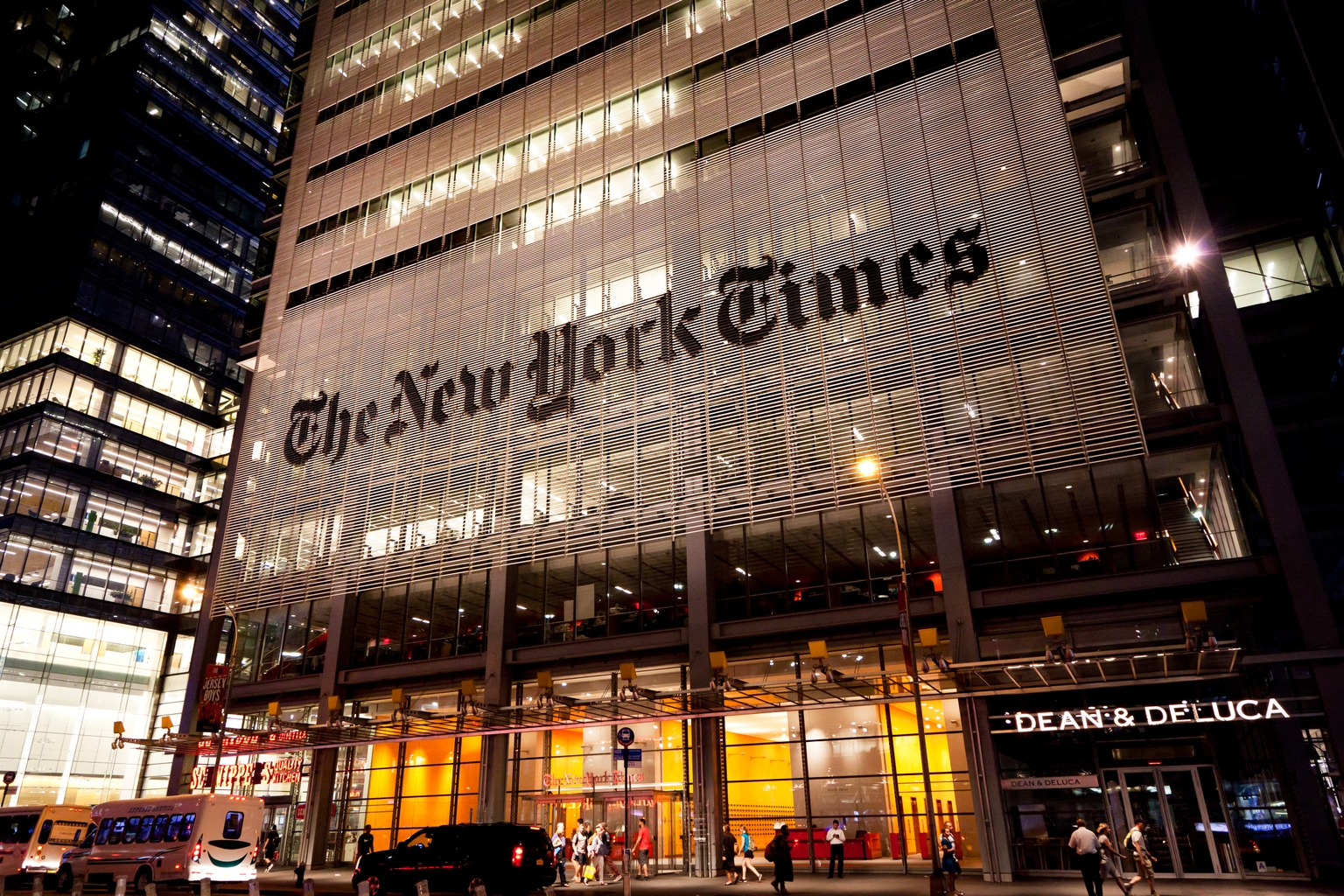
The New York Times reported strong first-quarter results, but its stock valuation appears disconnected from near-term earnings reality. The company beat analyst expectations on revenue and adjusted earnings per share, driven by robust digital subscription growth and advertising momentum across its platforms.
However, the market's enthusiasm reflects expectations baked into the stock price that may prove difficult to sustain. The Times trades at a premium multiple relative to historical averages and peers, pricing in accelerating growth and margin expansion that faces headwinds. Competition from tech platforms and standalone newsletter services intensifies pressure on its digital subscriber acquisition costs. The company's ability to convert free users into paying subscribers, while critical to the growth narrative, shows signs of deceleration as penetration deepens.
Wall Street's bull case hinges on international expansion and emerging revenue streams like games and other products outside core news. These remain unproven at scale. The core business, while profitable and growing, operates in a maturing digital news market where subscriber bases plateau quickly once they reach saturation in key demographics.
Cost inflation poses another risk. The Times has faced pressure to invest in editorial talent and technology infrastructure to remain competitive. These expenses could crimp the margin-expansion thesis that justifies current valuation levels.
The valuation disconnect matters for investors seeking entry points. While Q1 results validate the company's execution quality and market position, current multiples price in several years of above-trend growth with limited room for disappointment. Any miss on subscriber guidance or commentary about churn rates could trigger a sharp re-rating lower.
For bulls, this story works only if international markets and adjacent products generate meaningful revenue at scale within two to three years. For bears, the company faces a maturing core business with execution risk that doesn't warrant a premium valuation.